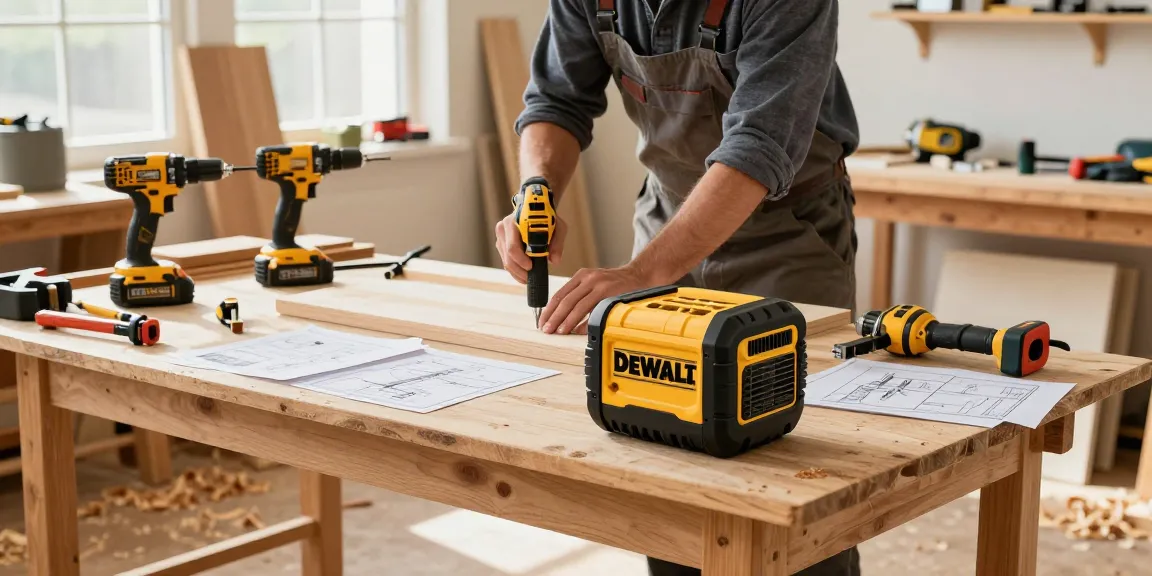
Understanding the Dewalt Fast Charger Benefits
The modern construction environment places a premium on efficiency and reliability, making the choice of tools and charging solutions more critical than ever. One such solution that stands out is the dewalt fast charger. This charging system is not just about speed; it offers a blend of advanced technology and user-friendly features that can significantly enhance productivity on the job site.
What Makes a Fast Charger Different?
Fast chargers differ from standard chargers in their ability to significantly reduce the time needed to recharge batteries. They achieve this through sophisticated circuitry that allows for higher current flows without compromising battery health. As a result, users can spend less time waiting for equipment to charge and more time getting tasks done, making them indispensable for contractors and tradespeople who rely on battery-operated tools.
Key Advantages of Using Dewalt Fast Chargers
- Speed: Dewalt fast chargers can fully recharge batteries much faster than traditional chargers, often in less than an hour.
- Compatibility: These chargers are designed to work with a range of Dewalt battery types, ensuring versatility.
- Battery Health: Equipped with advanced technology, fast chargers help maintain battery health over time through smart charging cycles.
- Portability: Lightweight and compact, Dewalt chargers are easy to transport, making them perfect for on-the-go applications.
Comparing Dewalt Chargers to Competitors
When comparing Dewalt fast chargers to those of competitors, several factors come into play, including charging speed, compatibility, and innovative features. Brands like Makita and Milwaukee have made strides in fast charging, but Dewalt remains a favorite due to its reliable performance and extensive product lineup. Moreover, the durability of Dewalt products often gives them an edge in demanding work environments.
Choosing the Right Dewalt Fast Charger for Your Needs
Selecting the appropriate Dewalt fast charger involves understanding your tools and applications. With varied options available, making the right choice can enhance your overall efficiency and productivity on the job.
Identifying Your Tool Compatibility
Before purchasing a fast charger, it's crucial to ensure that it is compatible with your available Dewalt tools. Dewalt provides chargers for both their 12V and 18V XR battery systems, allowing users to select a model that fits their existing equipment. Always check the specifications provided by Dewalt to guarantee the best match.
Types of Dewalt Fast Chargers Explained
- Single Port Chargers: Ideal for users with fewer tools, offering quick recharge times for one battery.
- Multi-Port Chargers: Perfect for professionals with multiple batteries, enabling simultaneous charging, which can be a game-changer on larger job sites.
- Wall-Mount Chargers: Some models can be mounted to save space in workshops or van storage.
Cost vs. Performance Considerations
Budget is always a consideration when purchasing tools. While Dewalt fast chargers may have a higher upfront cost compared to standard models, their performance can lead to long-term savings. Reduced downtime and enhanced battery lifespan often justify the investment, particularly in professional settings where time is money.
Maximizing Efficiency with Your Dewalt Fast Charger
Once you've chosen a Dewalt fast charger that suits your needs, maximizing its efficiency can further boost your productivity. Implementing smart charging habits and maintenance can extend both the charger and battery lifespan.
Best Practices for Charger Usage
To get the most out of your Dewalt fast charger, follow these best practices:
- Regularly check the charger and batteries for signs of damage or wear.
- Avoid charging batteries in extreme temperatures, as this can affect charging efficiency.
- Use the charger as specified in the user manual to prevent accidental damage.
Maintaining Your Charger: Dos and Don'ts
Keeping your Dewalt fast charger in good condition is essential for optimal performance:
- Do: Keep the charger clean and free from debris to ensure proper ventilation and heat dissipation.
- Don't: Expose the charger to moisture or extreme temperatures, as this can damage the internal components.
Common Charging Issues and Troubleshooting
Understanding common issues that may arise with your fast charger can save you time and frustration. If your charger indicates a fault or the battery isn't charging as expected, here are some troubleshooting tips:
- Check the power source for proper functionality.
- Inspect the charger and battery for any visible damage.
- Reset the charger by unplugging it for a few minutes before trying again.
Future Trends in Fast Charging Technology
The landscape of fast charging technology is evolving rapidly, with advancements aimed at improving performance and usability. Staying informed about these trends can help you make more informed purchases in 2026 and beyond.
Advancements in Battery Technology by 2026
By 2026, we expect to see significant advancements in battery technology, particularly in lithium-ion batteries. Innovations such as solid-state batteries promise enhanced energy density and faster charging times. These improvements will likely coincide with the next generation of fast chargers, enabling even greater productivity for users.
Emerging Features and Innovations in Chargers
Fast chargers in the near future are likely to include smart technology that automatically adjusts charging rates based on the battery’s condition. Features like app connectivity for monitoring battery health and charging cycles are also on the horizon, providing users with invaluable data for managing their tools more effectively.
The Impact of AI on Battery Management Systems
Artificial Intelligence (AI) is set to play a crucial role in future battery management systems. In 2026, we may see AI-integrated chargers that can predict battery performance, optimize charging cycles, and even extend battery life by preventing overcharging and overheating. This technology will be a game-changer for contractors and heavy users of battery-operated tools.
Real-World Applications and Case Studies
The practical applications of Dewalt fast chargers are best illustrated through real-world scenarios. Understanding how others successfully utilize these tools can provide insight into maximizing your own efficiency.
How Contractors Employ Dewalt Fast Chargers Effectively
Many contractors have integrated Dewalt fast chargers into their daily operations. For instance, during a recent high-rise build, a contractor utilized multi-port chargers to keep multiple batteries ready for use at all times, significantly reducing downtime. This approach allowed for continuous work cycles, leading to project completion ahead of schedule.
Customer Testimonials and Success Stories
Users frequently share their positive experiences with Dewalt fast chargers, noting increased productivity and reduced charging times. One electrician reported that switching to a Dewalt fast charger allowed him to cut down his daily battery charging time by over 50%, which enabled him to take on more projects in a week.
Case Study: Project Time Savings with Fast Chargers
A construction firm tasked with renovating a large shopping center implemented Dewalt fast chargers across its workforce. The result was a measurable increase in project time savings. By ensuring all tools were battery-ready at all times, the team completed the project two weeks ahead of schedule, showcasing the critical role of fast charging in today’s competitive market.
What is the lifespan of a Dewalt fast charger?
Generally, a Dewalt fast charger can last several years with proper care and maintenance. Many users find that their chargers remain effective for over five years, but this can vary based on usage frequency and environmental conditions.
Can I use a Dewalt fast charger with non-Dewalt batteries?
It is not recommended to use Dewalt fast chargers with non-Dewalt batteries, as compatibility issues can lead to charging failures or damage to the battery and charger.
How long does it take to charge a battery with a Dewalt fast charger?
Charging times can vary based on the battery's capacity. However, most Dewalt fast chargers can recharge a standard battery within 30 minutes to an hour, depending on the specific model and battery in use.
Are Dewalt fast chargers safe to use indoors?
Yes, Dewalt fast chargers are designed with safety in mind and can be used indoors. For more information, Mister Worker offers valuable insights. Just ensure that they are positioned in a well-ventilated area to prevent overheating.
What maintenance does a Dewalt fast charger require?
Minimal maintenance is needed, but regularly cleaning the charger and ensuring it is stored in a dry, cool place will help maintain optimal performance. Inspecting charging cables for fraying or damage is also important.